


Wisdom Teeth in Your 20s: What Pain, Swelling and Pressure Could Mean
- Home
- Wisdom Teeth in Your 20s: What Pain, Swelling and Pressure Could Mean
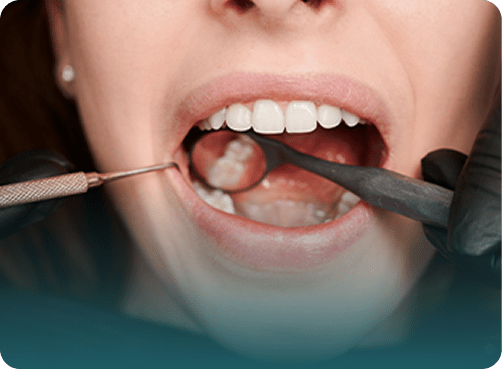
Wisdom teeth may cause questions and lead to discomfort, especially in the later teenage years and early adulthood. In some cases, people do not have any problems with their wisdom teeth, but in other cases they suffer from pain, have swelling, find it difficult to clean the area or get repeated infections.
A dental examination can help to find out what is going on and whether or not treatment is needed if your wisdom teeth are causing symptoms.
What Are Wisdom Teeth?
Wisdom teeth are the third molars situated at the back of the mouth and are generally the last of the permanent teeth to come in, sometimes making their appearance in the late teens or twenties.
It is not the case that all people have four wisdom teeth, and in some instances there is sufficient room for them to come in without leading to any problems.
Why Do Wisdom Teeth Hurt?
Pain may happen when a wisdom tooth is coming in or when there is insufficient space for it to move into a healthy position.
Cleaning a partially erupted wisdom tooth can be quite difficult since food and bacteria may gather around the gum and this could lead to inflammation and discomfort.
Common Wisdom Tooth Symptoms
Possible signs that a wisdom tooth needs assessment include:
- Pain at the back of the mouth
- Swollen or tender gums
- Difficulty opening your mouth
- Discomfort when chewing
- Food becoming trapped around the tooth
- Bad taste or bad breath
- Sensitivity around the back molars
- Repeated episodes of swelling or pain
From person to person the symptoms will differ, which is why it’s important to have a dental examination before deciding on the treatment.
What Is Pericoronitis?
Pericoronitis refers to the inflammation of the gum tissue surrounding a tooth which has only partially come through. It may result in pain, swelling, tenderness and difficulty when trying to clean the area.
If you have significant swelling, severe pain, a fever, or difficulty in swallowing, get professional advice as soon as possible.
Does Everyone Need Their Wisdom Teeth Removed?
The presence of wisdom teeth does not mean that they automatically have to be removed. The dentist could look at the position, evaluate symptoms, consider the available space and take into account general oral health. In some instances, monitoring might be suitable, while in other cases treatment would be needed.
That is the reason why a single dental assessment is more useful than supposing that every wisdom tooth requires the same method.
Can Wisdom Tooth Pain Go Away on Its Own?
Even if the symptoms settle for a while, this does not necessarily indicate that the fundamental problem has gone away.
If the pain or swelling continues to return, then it is worthwhile having the area examined, since recurring symptoms could mean that the tooth is hard to clean or that it is causing some other dental problem.
What Can You Do Until You See a Dentist?
Make sure the area remains as clean as you can while brushing it gently and cleaning between the teeth whenever this is practical. Do not irritate the area and obtain professional advice if the symptoms continue or get worse. It is not advisable to try and remove or alter the tooth yourself.
When Should You See a Dentist?
If pain caused by the growth of the wisdom teeth continues, recurs or is accompanied by swelling, then you should arrange a dental examination; in the case of severe pain, a lot of swelling, a fever or difficulty in swallowing or breathing urgent care may be needed.
Wisdom Teeth Assessment in Campbellfield
If your wisdom teeth are causing you pain or if you are worried about the way they are developing, the Hume Dental Hub will be able to examine your oral health and talk over the suitable options with you.
A dental examination will allow you to find out if your wisdom teeth can be kept under observation or if some further treatment should be considered. For residents of Campbellfield and the surrounding suburbs, sorting out an assessment should be your first move towards dealing with recurrent wisdom tooth problems.
Frequently Asked Questions
Wisdom teeth usually develop and come in during the late teenage years or the twenties, even though the timing differs from person to person.
Wisdom teeth don't always have to be removed, and before suggesting that they should be monitored or treated your dentist will look at their position, the symptoms, the available space and your general oral health.
Swelling may take place when a wisdom tooth is only partly come through and is hard to clean. Pain and swelling can result from inflammation around the tooth, such as pericoronitis.
Although the symptoms may at times temporarily disappear, the fact that the pain or swelling keeps coming back should lead to an evaluation since the basic problem could still be present.
Arrange an assessment if pain is persistent or recurring, or if you develop swelling, difficulty opening your mouth, fever, severe pain or difficulty swallowing.
Clinical Notice & Regulatory Disclaimer:
Any surgical or invasive procedure carries risks. Before proceeding, you should seek a second opinion from an appropriately qualified health practitioner. Individual clinical results will vary.