
Clear Aligners Campbellfield?
- Home
- Clear Aligners
Clinical Consultation for Clear Aligners
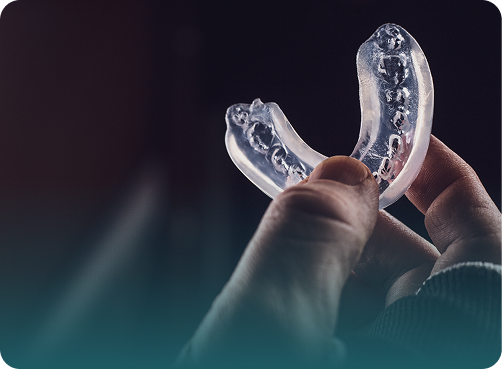
Clear aligners are removable dental trays used to move teeth gradually as part of an orthodontic treatment plan. They may be considered for certain concerns involving crowding, spacing, tooth position or the way the upper and lower teeth meet.
We at Hume Dental Hub can guide you through. We can help you get the right guidance on your clear aligners treatment before moving ahead or suggest another approach that may be appropriate.

What You Need to Know About Clear Aligners
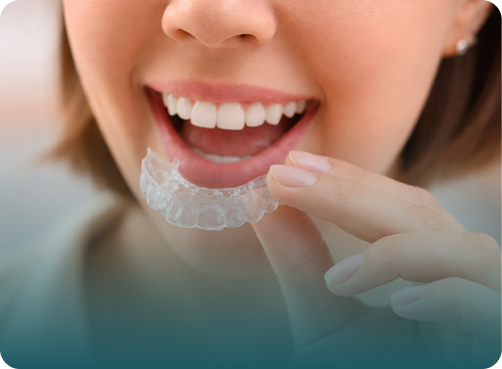
Clear aligner treatment uses a sequence of custom-made trays. Each tray is shaped to apply controlled pressure to selected teeth and support gradual movement according to the treatment plan. Patients usually wear one set for a prescribed period before moving to the next set.
The exact schedule depends on the aligner system, the type of movement required and how the teeth respond. The trays are removable, but this does not mean they can be worn only occasionally. They generally need to remain in place for most of the day and night, except when eating, drinking anything other than water, brushing and cleaning between the teeth.
When Should Patients Consider Aligners

Clear aligners may be considered for selected orthodontic concerns, including:
- Mild or moderate tooth crowding
- Spaces between teeth
- Teeth that have shifted after previous orthodontic treatment
- Certain rotated or unevenly positioned teeth
- Some bite-related concerns
- Tooth alignment before other restorative dental treatment
The appearance of the teeth is only one part of the assessment. The dentist also needs to consider the bite, tooth roots, supporting bone, gum condition and the amount of movement required.
Some complex concerns may be better managed with fixed braces, another orthodontic method or referral to an orthodontist. In other cases, no treatment or continued monitoring may be reasonable.
Caring for Your Clear Aligners
Because the trays are removable, the patient has an active role in treatment. Wearing them for fewer hours than advised may affect how closely the teeth follow the plan and can cause later trays to fit poorly. Aligners should generally be removed before eating. Teeth should then be brushed or rinsed appropriately before the trays are replaced, as food and sugary or acidic drinks can become trapped beneath them.
The aligners also require regular cleaning. Very hot water should be avoided because it may alter their shape. The dentist can explain which cleaning products are suitable. Temporary pressure or tenderness may occur when changing to a new set. Some patients may also notice short-term changes in speech, increased saliva or irritation around an aligner edge or attachment.
Why Reviews, Monitoring and Additional Aligners May Be Needed
Regular review appointments allow the dentist to check the fit of the trays, the health of the teeth and gums, and whether the planned movements are progressing. In some cases, certain teeth may move more slowly than expected. A new scan and an additional series of trays may then be discussed.
These additional aligners are sometimes referred to as refinements. Patients should contact the clinic if a tray is lost, cracked or no longer fits, or if they experience ongoing pain, gum swelling, tooth damage or problems with an attachment.
Possible Limitations and Risks to Consider
Clear aligners require consistent wear, regular dental reviews and ongoing oral hygiene. It may not avoid the need for attachments, elastics, enamel reshaping, extractions or other procedures where these are clinically indicated. Possible considerations may include temporary tenderness, gum irritation, sensitivity, altered speech, incomplete movement, changes in the bite, decay where hygiene is poor, gum concerns, or the need for a revised plan.
Orthodontic treatment can also affect tooth roots and surrounding tissues in some cases. The risks that are relevant to the individual patient should be discussed before treatment begins.
Discuss Your Clear Aligners Treatment Options
If you are considering clear aligners for crowded, spaced or unevenly positioned teeth, an assessment can help determine whether this approach is suitable. At Hume Dental Hub, our dentist considers every aspect of your oral health, along with the practical requirements, possible risks, limitations, alternatives and the need for retention needed.
Frequently Asked Questions
No. Suitability depends on the type of tooth movement required, gum health, bite, dental history and ability to wear the trays consistently. Some concerns may be better managed with braces or specialist orthodontic care.
Clear aligners are usually worn for most of the day and night. The exact number of hours and change schedule should follow the instructions provided by the treating dentist.
The timeframe varies according to the amount of movement required, the complexity of the bite, daily wear, and how the teeth respond. The expected treatment period can be discussed after assessment and planning.
Usually, yes. Retainers help reduce unwanted tooth movement after active treatment. The type of retainer and how often it should be worn depends on individual treatment plans.
Isn’t It Time to Optimise Your Oral Health?
Keep your smile healthy and bright by scheduling an appointment at Hume Dental Hub today!