


Invisalign v/s Braces: Which Option Is Right for You in 2026?
- Home
- Invisalign v/s Braces: Which Option Is Right for You in 2026?
Understanding Teeth Straightening Options
Many people considering orthodontic treatment wish to improve the alignment of their teeth while maintaining oral health and function. Two commonly discussed options are clear aligners, such as Invisalign®, and traditional braces.
Each treatment option has different considerations, and the most suitable approach depends on individual circumstances, treatment goals, and clinical assessment.
If you are researching Invisalign in Campbellfield or exploring teeth straightening options, understanding the differences between these treatments can help you make an informed decision.
What Is Invisalign?
Invisalign is a system of clear, removable aligners designed to gradually move teeth into planned positions over time.
The aligners are custom-made using digital scans and treatment planning software.
Patients are typically provided with a series of aligners that are changed periodically throughout treatment.
What Are Traditional Braces?
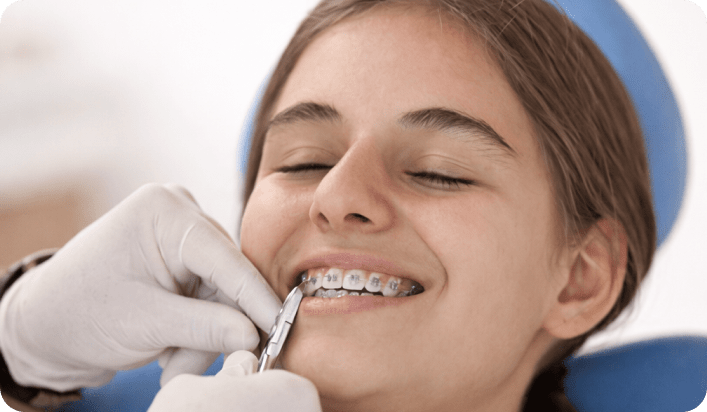
Traditional braces utilise brackets and wires attached to the teeth to facilitate tooth movement.
Braces have been used in orthodontic treatment for many years and may be recommended in a range of situations depending on the complexity of the case.
Regular adjustments are usually required throughout treatment.
Invisalign vs Braces: Key Differences
When it comes to straightening teeth, Invisalign and traditional braces are two of the most popular orthodontic treatments. While both are effective at correcting alignment issues, they differ in appearance, comfort, maintenance, and treatment approach. Understanding these key differences can help you choose the option that best fits your lifestyle, dental needs, and treatment goals.
Appearance
One of the most commonly discussed differences is appearance.
Clear aligners are designed to be less noticeable than traditional metal braces, which may appeal to some patients.
Braces remain visible throughout treatment.
Removability
Invisalign aligners can generally be removed for:
- Eating
- Drinking (except water)
- Brushing
- Flossing
Braces remain fixed to the teeth throughout treatment.
Oral Hygiene
Because aligners are removable, some patients find it easier to maintain their normal brushing and flossing routine.
Patients with braces may need to spend additional time cleaning around brackets and wires.
Comfort Considerations
Treatment experiences vary between individuals.
Some patients report temporary pressure when changing aligners, while braces may require adjustments during treatment.
Your dentist can discuss what to expect based on your individual treatment plan.
Treatment Suitability
Not every patient is suitable for every treatment option.
Factors that may influence recommendations include:
- Tooth alignment
- Bite relationship
- Oral health condition
- Treatment goals
- Complexity of tooth movement required
A comprehensive assessment is required before determining suitability.
Benefits of Digital Treatment Planning
Modern clear aligner systems often use digital technology to assist with treatment planning.
This may include:
- Digital scans
- Treatment simulations
- Progress monitoring
- Custom aligner fabrication
These technologies assist dentists and patients in understanding the proposed treatment approach.
Is Invisalign Suitable for Adults?
Many adults explore Invisalign treatment because clear aligners can fit into busy professional and social lifestyles.
Adults commonly seek treatment for concerns such as:
- Crowded teeth
- Gaps between teeth
- Minor bite concerns
- Relapse after previous orthodontic treatment
Suitability depends on clinical assessment and individual oral health factors.
Is Invisalign Suitable for Teenagers?
Some teenagers may be suitable candidates for clear aligner treatment.
Treatment recommendations depend on:
- Stage of dental development
- Oral hygiene habits
- Compliance with aligner wear
- Orthodontic requirements
A dental assessment can determine the most appropriate treatment options.
How Long Does Invisalign Treatment Take?
Treatment times vary significantly between individuals.
Factors that may influence treatment duration include:
- Complexity of the case
- Type of tooth movement required
- Compliance with aligner wear
- Individual response to treatment
Your dentist can provide more personalised information following assessment.
Choosing the Right Teeth Straightening Option
There is no single treatment that is suitable for everyone.
The best approach depends on:
- Your oral health
- Treatment objectives
- Lifestyle considerations
- Clinical findings
A consultation allows your dentist to assess your needs and discuss available options.
Invisalign Consultations in Campbellfield
If you are considering Invisalign in Campbellfield, a dental consultation can help determine whether clear aligners or another orthodontic treatment may be suitable for your circumstances.
At Hume Dental Hub, treatment recommendations are based on individual assessment, oral health needs, and treatment goals.
FAQs
Neither option is universally better. Suitability depends on individual treatment requirements and clinical assessment.
Some cases of crowding may be managed using clear aligners, depending on the severity and treatment objectives.
Your dentist will provide guidance regarding aligner wear as part of your treatment plan.
Many adults explore clear aligner treatment, although suitability varies between individuals.
Some patients notice temporary changes while adapting to aligners, although experiences vary.