


What Is a Dental Emergency? 10 Signs You Should See a Dentist Immediately
- Home
- What Is a Dental Emergency? 10 Signs You Should See a Dentist Immediately
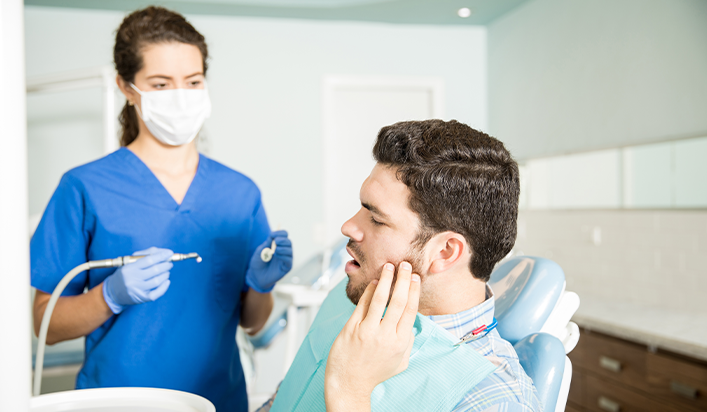
A dental issue may, in some cases, be waited for until a regular appointment, but in other instances prompt action is necessary. If you know the difference, you’ll be able to react properly when something goes wrong with your teeth or gums.
If you’re not sure if your symptoms constitute an emergency, it makes sense to get advice from a dental professional first.
What Is a Dental Emergency?
A dental emergency usually causes severe pain, bleeding, swelling, trauma or some other issue that needs to be assessed quickly. The specific response varies according to the cause and how severe the problem is.
There are a number of situations which ought not to be ignored.
1. Severe or Persistent Toothache
Severe tooth pain which doesn’t go away may be a sign of decay, infection, a cracked tooth or some other dental issue. Pain that interferes with your sleep or normal activities should get professional attention.
2. Facial or Mouth Swelling
Swelling of the jaw, the face or the gums may at times be linked to a dental infection; in such a case, if the swelling is severe or getting worse quickly, you should get immediate professional advice.
If you have difficulty breathing or swallowing, this is a medical emergency and you should get immediate emergency medical care.
3. A Knocked-Out Permanent Tooth
A permanent tooth which has been knocked out must have prompt attention; do not touch the root and get dental care as quickly as possible. If it is appropriate, carry out the first-aid advice given by a professional while arranging for urgent care.
4. A Broken or Cracked Tooth
A tooth that is damaged might expose the sensitive parts inside or could lead to additional damage, so it’s advisable not to chew on the affected side and to get it assessed.
5. Uncontrolled Bleeding
When bleeding continues even after proper first-aid has been given, it needs to be assessed urgently, especially following dental trauma or a procedure.
6. A Dental Abscess
An abscess may result in pain, swelling, a bad taste or other symptoms. Since dental infections usually need professional treatment it is not advisable just to wait for the symptoms to go away.
7. Severe Pain After Dental Treatment
Certain procedures may lead to a temporary sensation of sensitivity or discomfort. But if you experience severe pain or pain that gets worse, you should tell your dentist so that he or she can examine the cause.
8. Significant Dental Trauma
Teeth, gums or the surrounding tissues can be damaged by an injury to the mouth caused by sport, an accident or a fall, even if the damage is not at first obvious.
9. A Lost Filling or Crown with Pain
A missing filling or crown doesn’t have to be an emergency, but if it is causing severe pain or is making the tooth susceptible, you should get dental advice as soon as possible.
10. Swelling with Fever or Feeling Unwell
Dental symptoms together with a fever or a general feeling of ill-health may be a sign of an infection which should be assessed as soon as possible.
What Should You Do While Waiting to See a Dentist?
It is important to protect the affected area and to avoid chewing on it. Do not put aspirin directly on a tooth or a gum. Take the first-aid measures that are appropriate and get advice from a dental professional.
When Should You Go to Hospital?
While a dental clinic can be suitable for many dental emergencies, emergency medical treatment may be necessary if there is severe facial swelling that affects breathing or swallowing, in the case of major facial trauma, or if there are other serious medical symptoms.
Looking for an Emergency Dentist in Campbellfield?
Should you have a dental emergency and be in Campbellfield or in surrounding areas, Hume Dental Hub will be able to evaluate your dental issue and then go on to discuss the next suitable course of action. Getting timely professional advice can help stop a dental problem from becoming more complicated.
Frequently Asked Questions
Severe pain, marked swelling, uncontrolled bleeding, serious dental trauma, a permanently lost tooth and signs of a dental infection all require immediate dental treatment.
A continuously occurring toothache must not be ignored since it may be the result of decay, infection or damage to the tooth and therefore needs to be assessed as soon as possible.
Get dental treatment as soon as you can. Don't touch the root and at the same time carry out the first-aid measures mentioned while arranging for a professional evaluation.
If there is considerable facial swelling causing difficulty in breathing or swallowing, or if there has been serious facial trauma or other severe medical symptoms, emergency medical care may be needed rather than waiting for a regular dental appointment.
Clinical Notice & Regulatory Disclaimer:
Any surgical or invasive procedure carries risks. Before proceeding, you should seek a second opinion from an appropriately qualified health practitioner. Individual clinical results will vary.