


What’s Included in a Smile Makeover? Treatments Explained by a Melbourne Dentist
- Home
- What’s Included in a Smile Makeover? Treatments Explained by a Melbourne Dentist
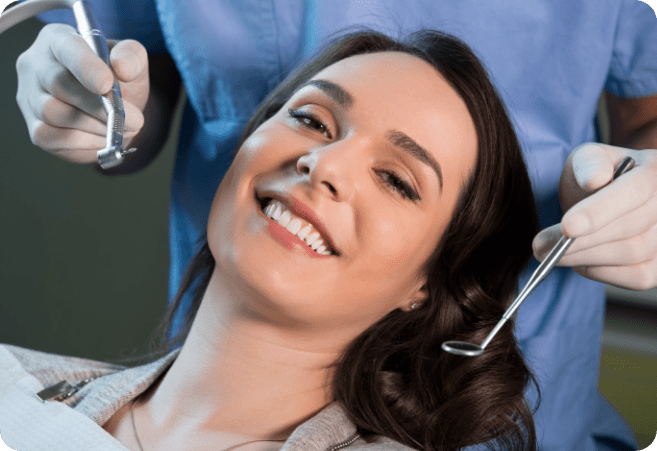
A smile makeover is often associated with a dramatic transformation, but despite the name, it isn’t a single treatment. Rather, it’s a carefully planned combination of procedures that may be recommended to address concerns relating to the appearance of your smile while supporting your oral health.
In this guide, we’ll break down what a smile makeover in Melbourne typically includes, how dentists plan it, and what you can expect if you’re considering treatment in Melbourne.
What Is a Smile Makeover?
A smile makeover is a customised treatment plan that focuses on the appearance of your teeth and gums. It may involve a single treatment or a combination of procedures, depending on your individual needs.
Every treatment plan is tailored individually. Before recommending any treatment, your dentist will assess a number of factors, including:
- Tooth colour and staining
- Alignment and spacing
- Shape and size of your teeth
- Gum health and gum levels
- Bite and function
- Existing restorations, such as fillings or crowns
Rather than taking a one-size-fits-all approach, the treatment plan is developed after considering your oral health, treatment goals and the concerns you’d like to address.
Common Treatments Included in a Smile Makeover
A smile makeover may involve one or more cosmetic and restorative dental treatments. Below are some of the treatments that may be recommended, depending on your individual needs.
1. Professional Teeth Whitening
For many people, teeth whitening is one of the first treatments considered where staining or discolouration is a concern.
Professional teeth whitening may help:
- Reduce the appearance of certain types of staining
- Brighten the overall appearance of your teeth
- Complement other cosmetic treatments where appropriate
Depending on your individual needs, your dentist may recommend either in-chair whitening or a custom take-home whitening kit.
2. Dental Veneers
Dental veneers are thin, custom-made shells that are bonded to the front surface of teeth to improve their appearance.
They may be recommended to address concerns such as:
- Discoloured or stained teeth
- Chipped or worn teeth
- Minor gaps between teeth
- Irregular tooth shape
Whether veneers are suitable will depend on your oral health, the condition of your teeth and your treatment goals.
3. Dental Bonding
Dental bonding involves applying a tooth-coloured resin material to reshape or repair teeth.
It is commonly used to address:
- Small chips or cracks
- Minor gaps between teeth
- Slight reshaping of uneven tooth edges
For suitable cases, bonding may be recommended as a more conservative treatment option than veneers.
4. Invisalign or Clear Aligners
The position of your teeth influences more than just the appearance of your smile. It can also affect the way your teeth come together and how other cosmetic treatments are planned.
Clear aligners, such as Invisalign®, may be recommended to gradually move teeth into a different position. They may be suitable for:
- Crooked or crowded teeth
- Gaps between teeth
- Certain mild to moderate bite concerns
In some cases, your dentist may recommend straightening your teeth before other cosmetic treatments as part of the overall treatment plan.
5. Gum Contouring (Gum Reshaping)
Sometimes, the teeth themselves aren’t the only concern. The shape and position of the gum line can also influence the overall appearance of a smile.
Gum contouring may be considered where there is:
- A gummy smile
- Uneven gum levels
- Teeth that appear shorter because of excess gum tissue
Your dentist will assess whether this treatment is appropriate for your individual circumstances.
6. Dental Crowns
Crowns are used when teeth are weakened or heavily damaged but still need to be preserved.
In a smile makeover, crowns may be used to:
- Restore broken or worn teeth
- Improve tooth shape and alignment
- Strengthen teeth after large fillings or fractures
Modern crowns are designed to blend naturally with surrounding teeth.
7. Replacing Missing Teeth (Bridges or Implants)
Missing teeth can affect both the appearance and function of your smile. Depending on your individual needs, treatment may include:
- Dental implants
- Dental bridges
- Other suitable tooth replacement options
Your dentist will discuss the available options and recommend a treatment based on your oral health and treatment goals.
How a Smile Makeover Is Planned
A smile makeover in Melbourne isn’t planned in a single appointment. It usually begins with a comprehensive consultation, allowing your dentist to assess your oral health and understand what you’d like to achieve.
This process may include:
- Initial assessment – Examining your teeth, gums and bite
- Clinical photographs or digital imaging – Where appropriate, to assist with treatment planning
- Discussion of your concerns – Understanding the aspects of your smile you’d like to address
- Treatment planning – Explaining the treatment options that may be suitable for your needs
- Timeline and cost estimate – Based on the treatments involved
This structured approach allows your dentist to recommend appropriate treatment options while giving you the opportunity to understand each stage before making a decision.
How Long Does a Smile Makeover Take?
The timeline varies depending on the treatments involved.
As a general guide:
- Professional teeth whitening – One appointment or several days using a take-home kit
- Dental bonding – Often completed in a single visit
- Dental veneers – Usually completed over two or more appointments
- Invisalign® – Several months or longer, depending on the treatment plan
- More comprehensive treatment plans – Usually completed in stages
Your dentist will explain the expected timeline based on your personalised treatment plan.
Is a Smile Makeover Permanent?
The longevity of treatment depends on the procedures involved.
Some treatments, such as veneers and crowns, are designed to be long-lasting but may eventually require replacement. Others, such as teeth whitening, generally require maintenance over time.
Maintaining good oral hygiene, attending regular dental check-ups and following your dentist’s advice may help maintain your treatment over time.
Who May Be Suitable for a Smile Makeover?
You may wish to discuss a smile makeover with your dentist if you have concerns such as:
- Tooth discolouration
- Gaps or spacing issues
- Worn, chipped or uneven teeth
- Mild alignment concerns
- The overall appearance or balance of your smile
A consultation is the best way to determine which treatment options may be appropriate for your individual needs.
Why Choose a Professional Dental Approach Matters
Every smile is different, which is why treatment begins with a thorough assessment.
During your consultation, your dentist will consider:
- Your oral health
- The condition of your teeth and gums
- Your bite and tooth function
- Existing restorations
- Your treatment goals
This assessment helps determine which treatment options may be appropriate for you and whether treatment is suitable for your individual circumstances.
Considering a Smile Makeover in Melbourne?
If you’re considering a smile makeover in Melbourne, booking a consultation is the best place to start. Your dentist can assess your oral health, discuss your concerns and explain the treatment options that may be suitable for your individual needs, helping you make an informed decision about your dental care.
FAQs
A smile makeover may include treatments such as whitening, veneers, bonding, Invisalign, gum contouring, crowns, or tooth replacement depending on individual needs.
Costs vary widely depending on the number and type of treatments involved. A consultation is required for an accurate estimate tailored to your case.
Most smile makeover treatments are minimally invasive and well tolerated. Your dentist will discuss pain management options if required.
Results can last many years with good oral hygiene and regular dental check-ups. Some treatments may require maintenance over time.
Yes. A smile makeover is fully customisable. Some patients only require one or two treatments rather than a complete combination plan.